An elderly parent faints in the bathroom, and everyone blames the heat or low blood pressure. Then somebody counts the pulse: 42. The problem may not be the plumbing of the heart at all — it may be the wiring.
Heart block and blocked arteries share a word and almost nothing else. One is an electrical fault; the other is a plumbing problem. They are investigated and treated quite differently.
The heart has its own electrical system
A natural pacemaker in the top chamber fires, and the signal travels down a conducting pathway to the main pumping chambers. With age that pathway can scar and slow, or drop the signal altogether. That is heart block — and despite the name, it has nothing to do with a blocked coronary artery.
The symptoms are easy to blame on something else
- Blackouts with no warning at all, and a quick, complete recovery afterwards.
- Near-fainting on standing up.
- Unusual fatigue and breathlessness on light effort.
- Confusion, or an unexplained fall, in an older person.
- A pulse that stays slow even while climbing stairs.
Fainting without warning, in particular, should never be written off as dehydration or weakness before somebody has counted the pulse and recorded an ECG.
Some of it is caused by medicines, and is reversible
Beta blockers, certain calcium channel blockers, digoxin, ivabradine — and beta blocker eye drops, which are easy to forget about — all slow the heart. So do an underactive thyroid and a high potassium level. Reviewing the medicine list and the blood tests comes before any decision about a device. Sometimes that review is the whole treatment.
A slow pulse on its own is not a disease
Trained athletes and many people who exercise regularly sit in the 40s and 50s at rest with no symptoms at all, and that is normal for them. What matters is whether the rate fails to rise with activity, and whether symptoms track the slow rate.
What a pacemaker actually involves
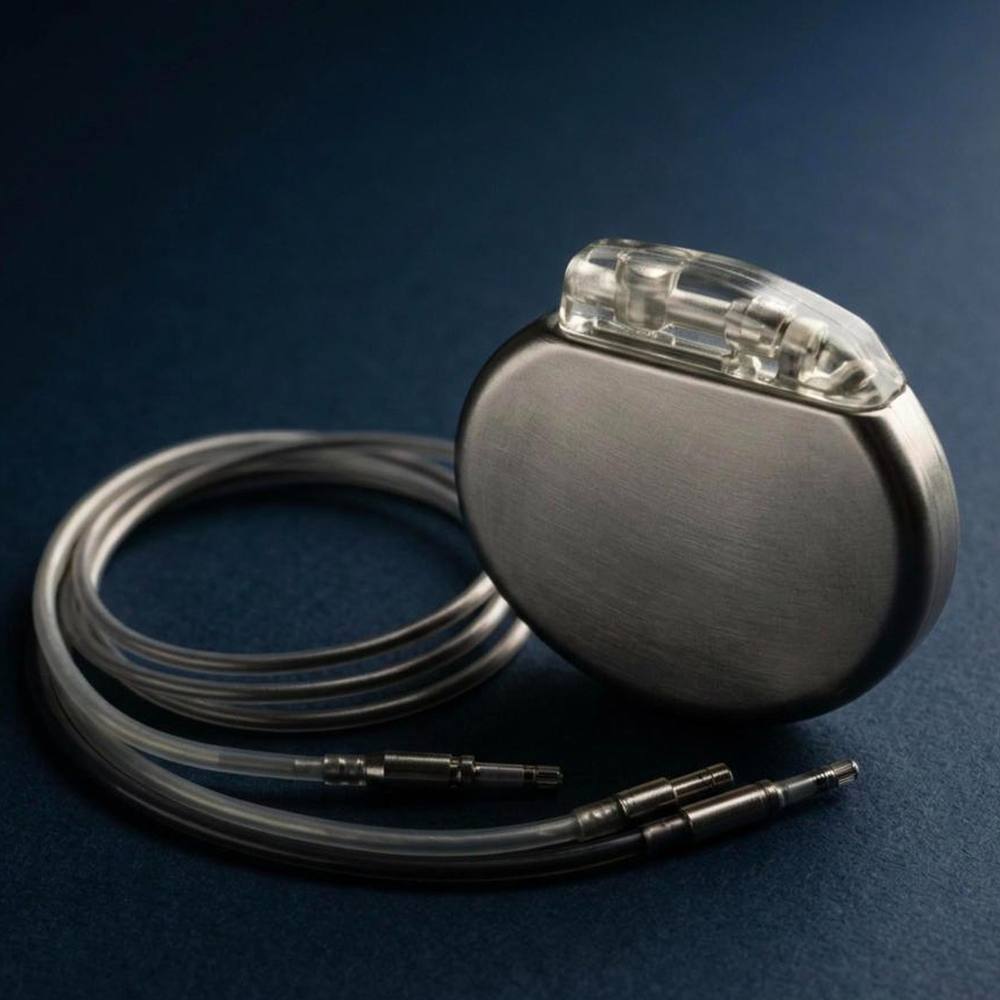
It is placed under the skin below the collarbone under local anaesthesia, with thin leads passed through a vein into the heart; the usual stay is one to two days. It does not take the heart over — it watches, and paces only when the heart's own rate drops too low or a beat is dropped.
When to get it looked at sooner
- Any faint that happens without warning, especially while standing or exerting yourself.
- A resting pulse under 40, or under 50 with symptoms.
- Repeated falls in an older person with no clear explanation.
- Blackouts in someone already taking a beta blocker or other rate-slowing medicine.